Structures Removed Safely and Completely
Demolition in Hot Springs for properties requiring removal of buildings, concrete, or site features before redevelopment
Buildings that have outlived their usefulness, concrete slabs from removed structures, or site features that conflict with new construction plans must be demolished and removed before redevelopment can proceed, and this work demands careful planning to protect surrounding property, utilities, and structures that are staying in place. Atlas Excavating provides demolition services for residential and commercial properties, removing structures and site features using methods that prioritize safety, minimize disruption, and leave the site ready for the next phase of work. Properties across Hot Springs often require demolition when older buildings are being replaced, when additions require removal of existing features, or when site redevelopment involves clearing away remnants of previous improvements.
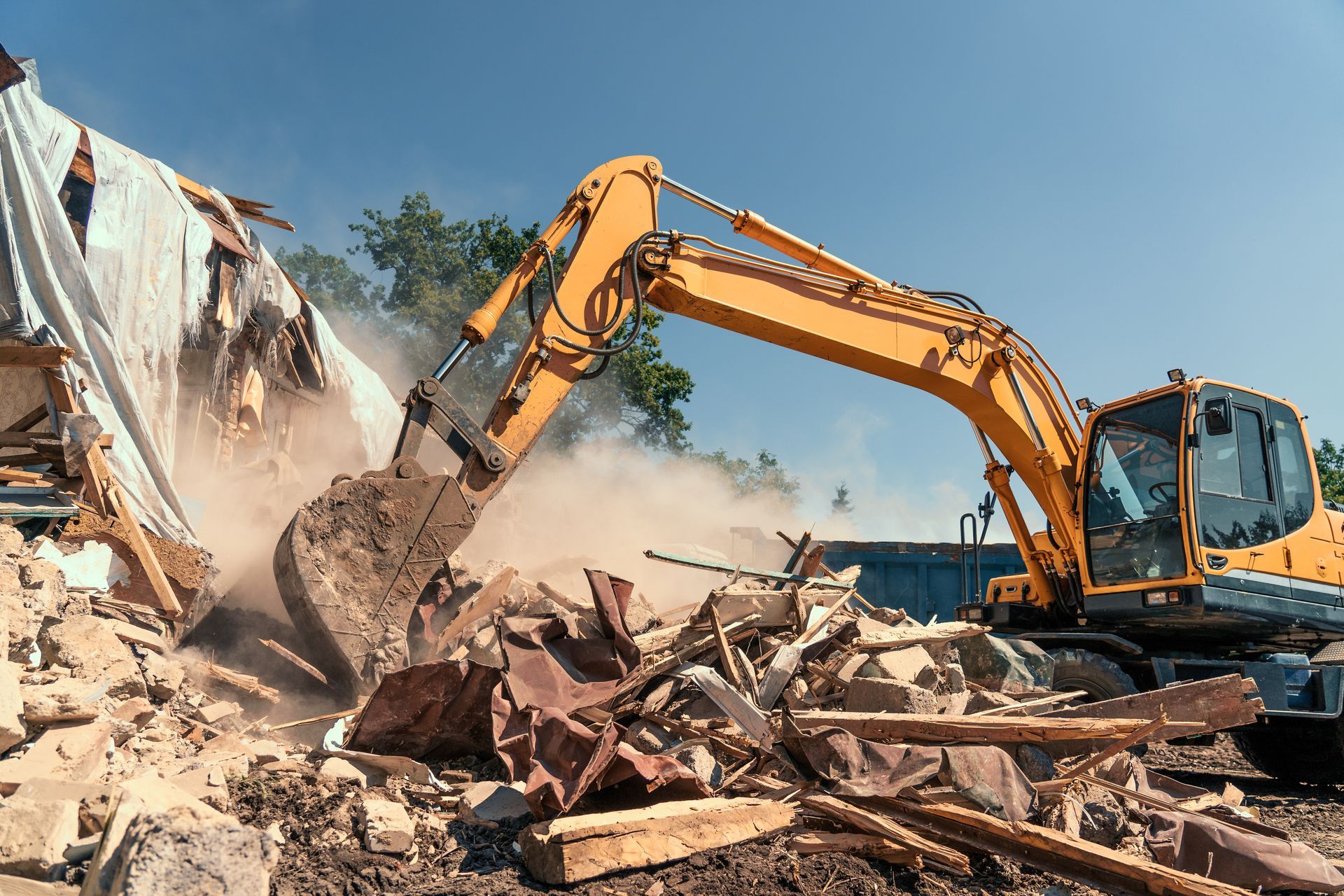
Safe demolition starts with evaluating what needs to be removed, identifying hazards such as asbestos or underground utilities, and planning the sequence of work to prevent uncontrolled collapse or damage to adjacent structures. Operators use excavators with specialized attachments to dismantle buildings systematically, break up concrete foundations and slabs, and separate materials for disposal or recycling depending on what's being removed and where it can be legally hauled.
Request a demolition consultation to discuss your site and review what removal will involve.

What Careful Planning Accomplishes During Removal
Demolition planning accounts for structural connections, utilities that must be disconnected, and proximity to buildings or features that must remain undamaged throughout the process. Dust suppression, debris containment, and controlled dismantling prevent damage to neighboring properties and keep work areas safe for operators and anyone working nearby. Efficient execution means structures come down in days rather than weeks, debris is hauled promptly to avoid accumulation that blocks access, and the site is left graded and clean once removal is complete.
After demolition is finished, the structure is gone and the site is cleared to grade level, with foundations removed or broken up and backfilled depending on project plans, and debris hauled off-site so construction can proceed without obstruction. You'll see open ground where the building stood, with no protruding concrete, rebar, or structural remnants that would interfere with grading or new construction, and surrounding property remains intact without damage from equipment or falling debris.
Debris removal and site cleanup happen as demolition progresses or immediately after, depending on project logistics and access for hauling equipment. Residential demolition typically involves smaller structures but requires more care to avoid impacting neighboring homes, while commercial demolition may involve larger buildings, more complex utility disconnections, and coordination with local authorities regarding permits, inspections, and waste disposal requirements.
Questions Before Starting Your Project
Demolition projects raise concerns about safety, timing, and what condition the site will be in after structures are removed, so property owners often ask about planning, cleanup, and how the work protects surrounding areas.
What permits are required before demolition can start?
Most municipalities require demolition permits that verify utilities have been disconnected, asbestos and hazardous materials have been assessed and will be handled properly, and the work meets local safety and environmental regulations—permitting timelines vary but must be completed before demolition begins.
How are utilities disconnected to prevent damage during demolition?
Water, gas, electric, and sewer lines are shut off and capped by utility providers or licensed contractors before demolition starts, and operators verify disconnection before beginning work to prevent leaks, fires, or electrocution hazards that occur if live utilities are cut accidentally.
What measures protect adjacent structures during demolition?
Equipment is positioned to direct debris away from nearby buildings, controlled dismantling prevents uncontrolled collapse, and monitoring ensures vibrations or impacts don't crack foundations or damage walls of structures that are staying in place.
How is concrete disposed of after it's broken up?
Concrete is typically hauled to recycling facilities where it's crushed and reused as aggregate, which is more cost-effective and environmentally responsible than landfill disposal, though heavily contaminated or reinforced concrete may require different handling depending on composition.
When does site cleanup happen after the structure is removed?
Cleanup begins as soon as demolition is complete, involving removal of remaining debris, grading to smooth the area where the structure stood, and ensuring no hazards remain that would delay construction work in Hot Springs.
Atlas Excavating handles residential and commercial demolition with attention to safety standards and efficient execution, preparing sites for redevelopment by removing unwanted structures and leaving clean, accessible ground. Arrange a site evaluation to review what demolition and cleanup will involve for your property.