Waste Systems Placed for Decades of Performance
Septic Installations in Hot Springs for properties requiring new wastewater treatment systems
Septic systems fail when components are installed at incorrect depths, drain fields are located in unsuitable soil, or excavation work compromises the absorption area through compaction or poor grading. Atlas Excavating excavates and installs septic systems according to engineered plans that account for soil percolation rates, setback requirements from wells and property lines, and topography that allows gravity flow from the house to the tank and drain field. In areas with clay soils or high water tables common throughout central Arkansas, system design may require alternative drain field configurations or additional excavation to reach suitable absorption layers.
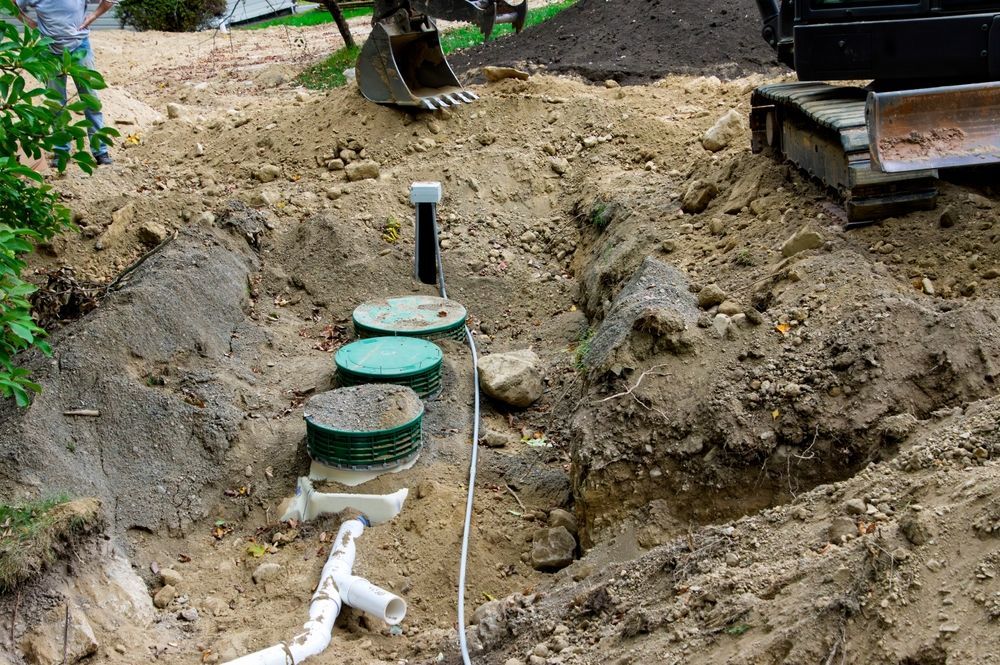
Septic installation begins with excavating the tank location to specified depth and dimensions, ensuring the tank sits level and at the correct elevation relative to the home's plumbing. Excavation for the drain field follows—trenches or bed areas are shaped to distribute effluent evenly across the absorption area without creating low spots where water pools. Backfill around tanks and over drain lines must remain loose enough to allow effluent absorption while supporting surface loads from vehicles or equipment that cross the area.
Schedule a septic installation consultation to evaluate your property's soil conditions and system placement options.

What Changes After System Installation Completes
Installation involves positioning the septic tank at the correct depth with inlet and outlet pipes aligned to engineered grades, then excavating drain field trenches spaced according to soil absorption rates determined by percolation testing. Gravel beds beneath and around perforated drain pipes allow effluent to disperse into surrounding soil, while geotextile fabric prevents soil particles from clogging the rock layer. Each trench is backfilled carefully to avoid compacting soil above drain lines, which would reduce absorption capacity and cause system backups.
After installation, you'll notice the ground above the tank and drain field restored to grade, with surface water directed away from the absorption area to prevent saturation that interferes with wastewater treatment. The system operates invisibly—wastewater flows from your home into the tank where solids settle, then effluent moves into the drain field where it filters through soil layers. Properly installed systems handle daily wastewater volumes without surfacing sewage, creating odors, or backing up into plumbing fixtures.
Coordination with local health department requirements ensures system design meets regulatory standards for tank capacity, drain field sizing, and setback distances from wells, property lines, and surface water. Inspections during installation verify that components are placed correctly before backfilling covers the work. Quality workmanship during excavation and placement prevents future failures that require expensive system replacement or drain field relocation.
Answers to Frequent Service Questions
Homeowners often need clarification about system requirements and site suitability before installation begins.
What determines septic system size?
Daily wastewater volume based on the number of bedrooms in your home dictates tank capacity and drain field area. Larger homes require bigger tanks and more extensive absorption areas to handle increased flow without overwhelming the system.
How does soil type affect installation?
Percolation testing measures how quickly water drains through soil—sandy soils absorb effluent rapidly and may require smaller drain fields, while clay soils drain slowly and need larger absorption areas or alternative system designs. Poor drainage can necessitate mound systems or additional treatment components.
Why does tank depth matter?
Tanks must be deep enough to allow gravity flow from the house while maintaining separation between the outlet pipe and drain field. Insufficient depth causes backups, while excessive depth complicates maintenance access and pumping.
What site conditions complicate installation?
High water tables, bedrock near the surface, steep slopes, and limited yard space restrict where systems can be placed. Properties in Hot Springs with seasonal groundwater fluctuations may require engineered systems designed to function during wet periods when absorption rates decrease.
How long does installation take?
Excavation, tank placement, and drain field construction typically take several days depending on system size, site conditions, and weather. Coordination with inspections and backfilling extends the timeline, but careful planning keeps the project progressing efficiently.
Atlas Excavating handles septic installations from initial excavation through final grading, ensuring each component is placed according to engineered specifications. Contact our team to arrange a site evaluation and discuss your property's wastewater treatment requirements.