Water Directed Before Damage Occurs
Drainage Solutions in Hot Springs for properties where runoff threatens foundations or erodes landscaping
Water pooling near a foundation, erosion channels cutting across a yard, or driveways washing out after storms indicate drainage failures that worsen with every rain event. Atlas Excavating designs and installs drainage solutions that redirect water away from structures and property improvements, using grading adjustments, culvert installations, and drainage channels tailored to how water moves across each specific site. Properties built on slopes, in low-lying areas, or where soil has been disturbed during construction often develop drainage problems that require intervention before water undermines foundations, saturates crawl spaces, or destroys driveways and landscape beds.
Effective drainage work begins with identifying where water originates, how it flows across the property, and where it needs to discharge without causing downstream problems. Solutions range from regrading sections of yard to establish positive slope away from buildings, to installing culverts that carry water under driveways or paths, to cutting drainage channels that intercept runoff before it reaches vulnerable areas. Clay soils common in Central Arkansas shed water rather than absorbing it, so surface drainage becomes critical during the heavy spring rains that can deliver several inches in a few hours.
Schedule a drainage evaluation to identify how water moves across your property during storms.

How Site-Specific Planning Prevents Future Problems
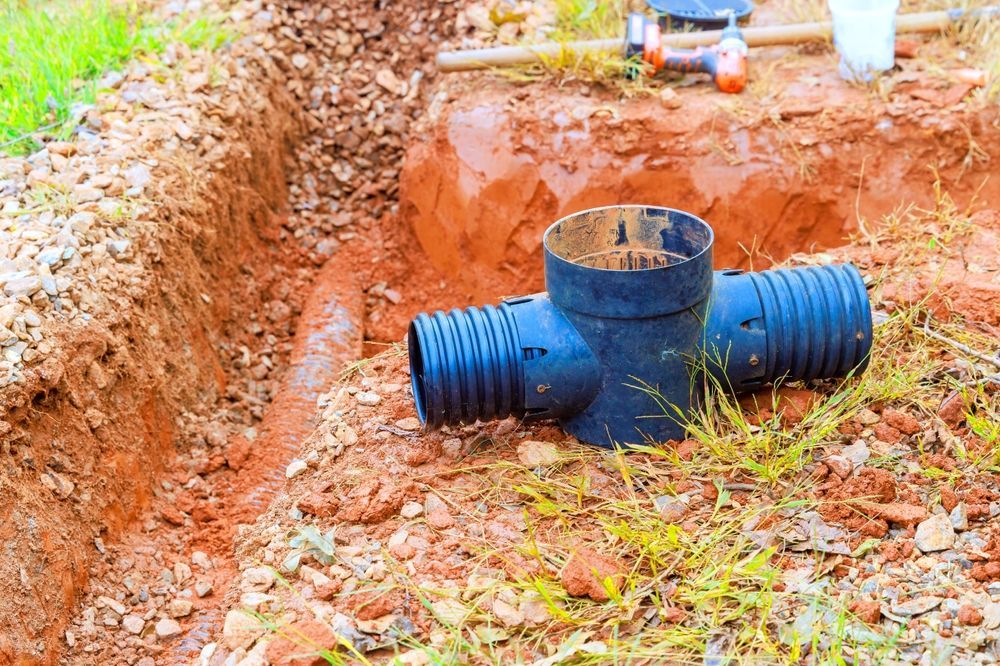
Customized drainage plans account for slope direction, soil permeability, existing structures, and the volume of water the site must handle during peak rain events. Grading adjustments move soil to create positive drainage away from foundations, while culverts and channels provide defined pathways that prevent water from spreading across yards or pooling in low spots where it saturates the ground and kills vegetation.
Once the drainage system is in place, water moves predictably off the property instead of pooling near the house, and you'll no longer see erosion channels forming after storms or soggy areas that remain saturated days after rain stops. Foundations stay dry because water is intercepted and redirected before it reaches the perimeter, driveways no longer develop washouts where runoff crosses them, and landscaping survives because roots aren't sitting in standing water that displaces oxygen in the soil.
Erosion prevention strategies include stabilizing slopes with grading that reduces water velocity, directing concentrated flows into reinforced channels rather than allowing sheet flow to cut ruts, and ensuring discharge points don't simply move the problem to a neighbor's property or a public right-of-way. Residential and commercial properties both require drainage planning that considers future development, impervious surfaces that increase runoff volume, and maintenance access for clearing debris from culverts and channels.
What Property Owners Usually Ask
Drainage concerns vary widely based on topography and existing site conditions, so questions often focus on how water will be redirected and what changes will be visible after the work is complete.
What causes water to pool near a foundation?
Negative grading slopes toward the house instead of away from it, soil has settled after construction leaving a depression, or roof runoff discharges directly at the foundation without gutters or splash blocks to carry it away.
How does a culvert prevent driveway washouts?
A culvert installed under the driveway allows water to pass through rather than flowing over the surface, which eliminates erosion that occurs when runoff crosses gravel or pavement and carries material downstream during heavy rain.
When is regrading necessary instead of just adding a drain?
Regrading becomes necessary when the overall site slope directs water toward structures or low areas, and a drain alone can't overcome the volume of water flowing from uphill—the grade must be adjusted to change the direction of flow before drainage features can function properly.
What's involved in creating a drainage channel?
A drainage channel is excavated along the path water naturally follows, then shaped with a gradual slope that prevents erosion while moving water efficiently, and lined with stone or vegetation if flow velocity requires stabilization to prevent the channel from widening or deepening over time.
How do drainage solutions work with existing landscaping?
Drainage plans in Hot Springs integrate with landscape beds, walkways, and plantings by routing water around sensitive areas or using shallow swales that blend with yard contours, and excavation is staged to minimize disruption to established trees and shrubs.
Atlas Excavating works on residential and commercial properties where drainage problems have developed or where new construction requires planning to prevent water damage before it starts. Arrange a site consultation to review how water currently moves across your property and what changes will redirect it effectively.